
Surgery with careful hands and close monitoring.
Dean performs spays, neuters, laparoscopic (keyhole) surgery and soft-tissue procedures in our own hospital. Every surgical patient gets a physical exam and bloodwork first, full monitoring under anesthesia, and pain control from start to finish.
We call you when your pet is awake, and send you home with a clear aftercare plan.
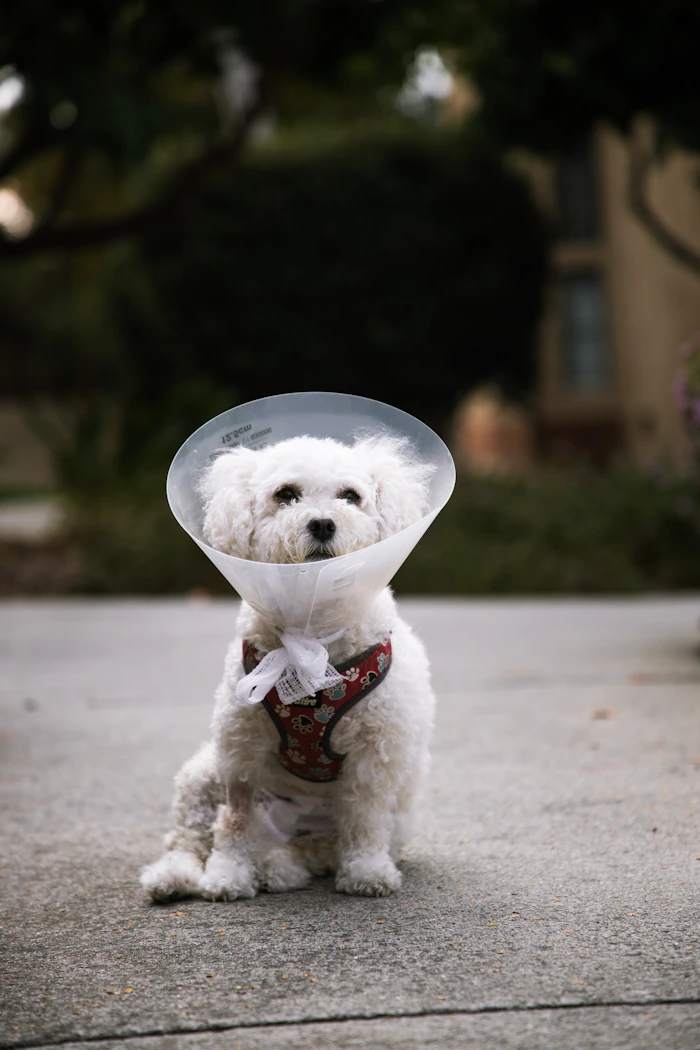
What every surgery includes
The same standard of care, whatever the procedure.
- A consult and estimateWe explain the procedure, the risks and the cost before you book.
- Pre-anesthetic bloodworkChecks organ function so anesthesia is planned around your pet.
- Full anesthetic monitoringTemperature, heart rate, oxygen levels, blood pressure, ECG and CO2, tracked throughout.
- Pain controlBefore, during and after surgery, with medication for home if needed.
- Laparoscopic optionKeyhole surgery through two ~1 cm incisions, with less pain and bleeding than a traditional spay.
- A call and a planWe phone when your pet wakes, and go through aftercare at pickup.
Procedures we perform
If your pet needs something we don't do here, we'll refer you to a specialist we trust.
- Spays and neuters
- Laparoscopic spays
- Abdominal cryptorchid neuters
- Gastropexy (to prevent stomach torsion)
- Cystotomy (bladder stone removal)
- Foreign body removal
- Biopsies
- Lump and mass removals
- Dental extractions
Why laparoscopic spays
A laparoscopic spay is done through two ~1 cm incisions, using a camera and tools that greatly reduce pain and bleeding. Smaller incisions also lower the risk of infection, and the skin is closed from underneath, so there are no external stitches to remove.
We'll help you decide whether it's right for your pet, and what it costs compared with a traditional spay. More about laparoscopic spays
Questions we're often asked
When should I spay or neuter my pet?+
It depends on species, breed and size. We’ll recommend the right age for your pet at their puppy or kitten visits.
Can my pet eat before surgery?+
Usually no food after midnight the night before. Water is fine. We’ll give you exact instructions.
Will my pet go home the same day?+
Most pets do. We’ll call when your pet is awake and let you know when to pick them up.
Will my pet have stitches to remove?+
Not after a laparoscopic spay. We close the skin with an intradermal technique, so there are no external stitches.
How do I care for my pet after surgery?+
Keep them quiet, stop them licking the incision and give any medication as directed. We’ll send written instructions home.